
Delivery was fast, product was exactly what I expected.
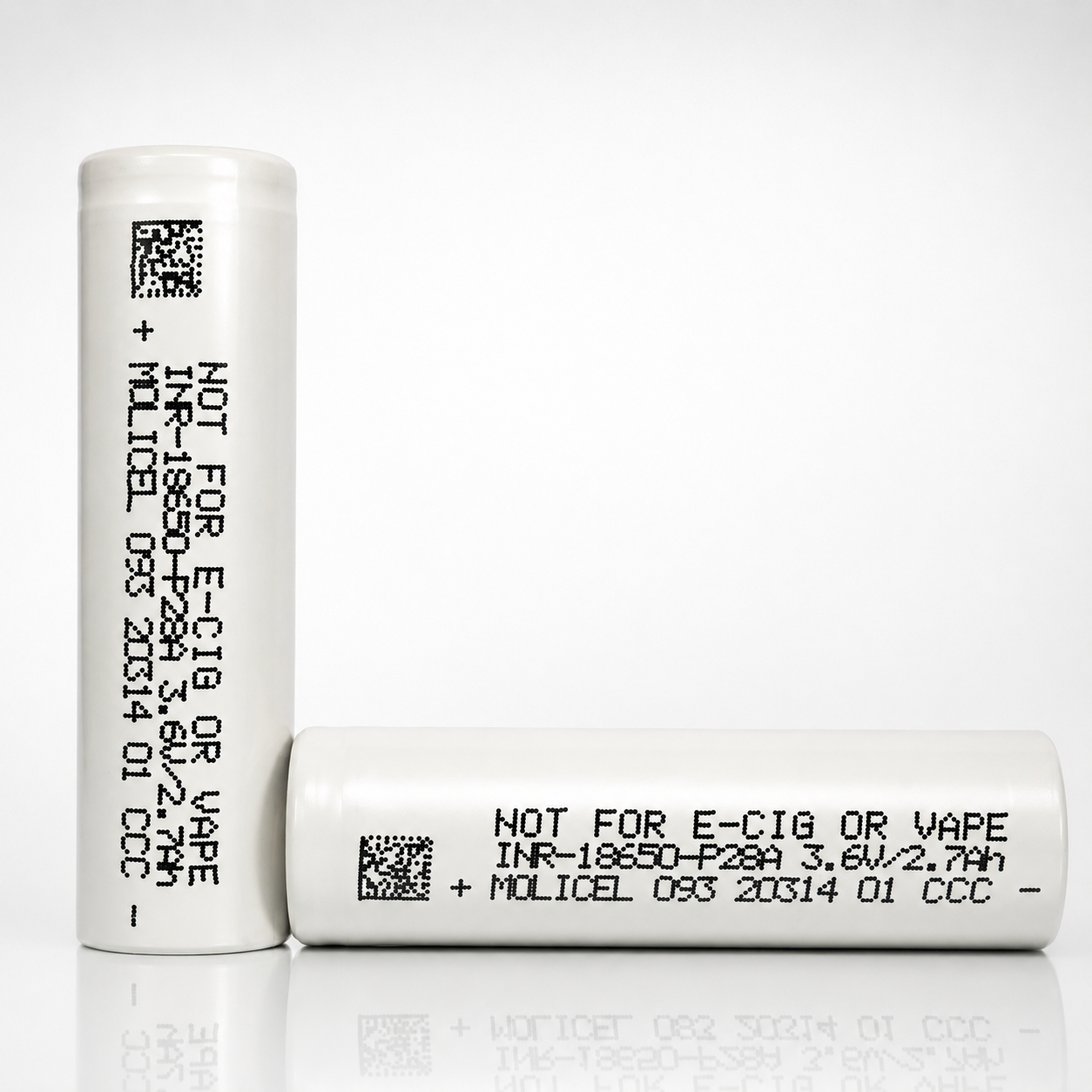
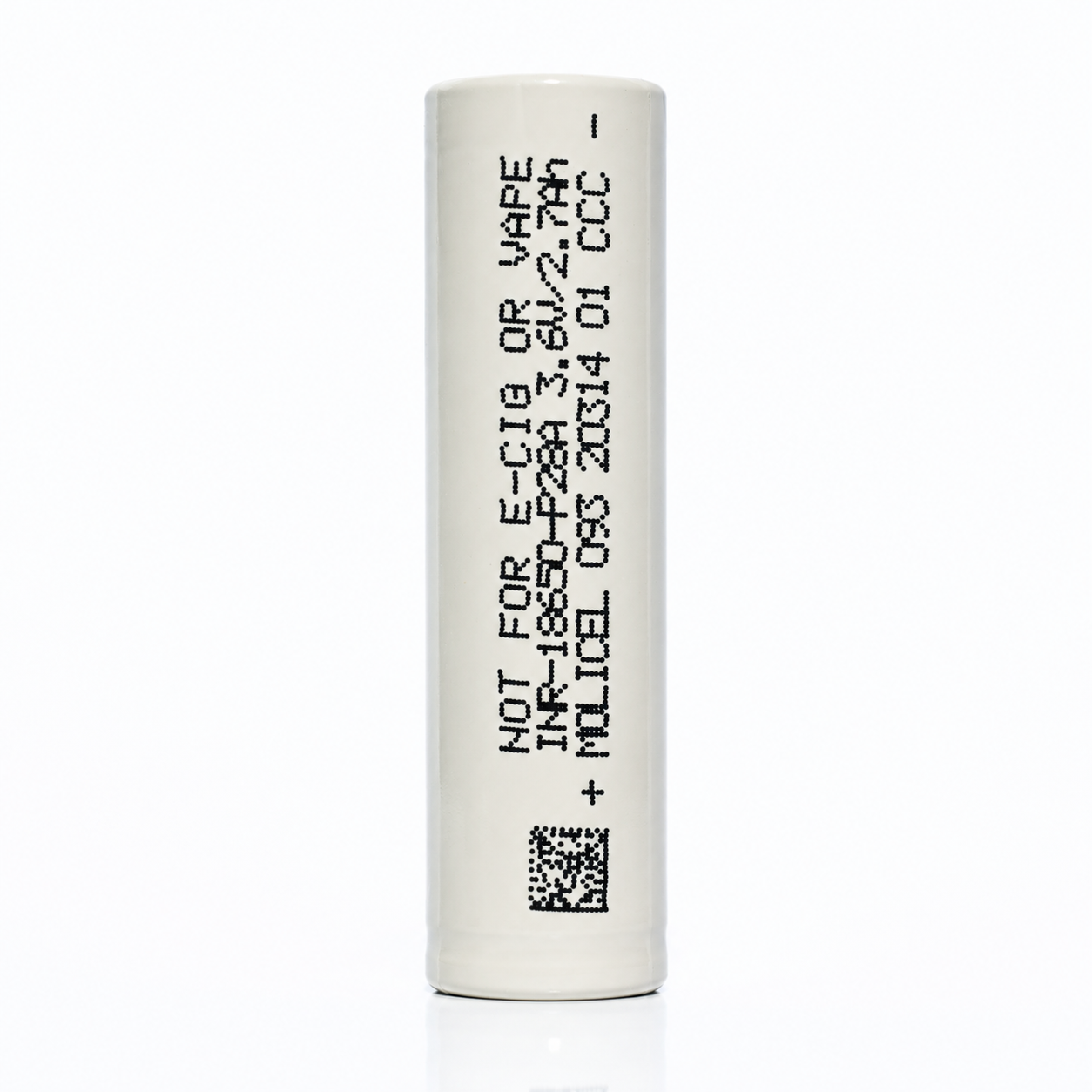
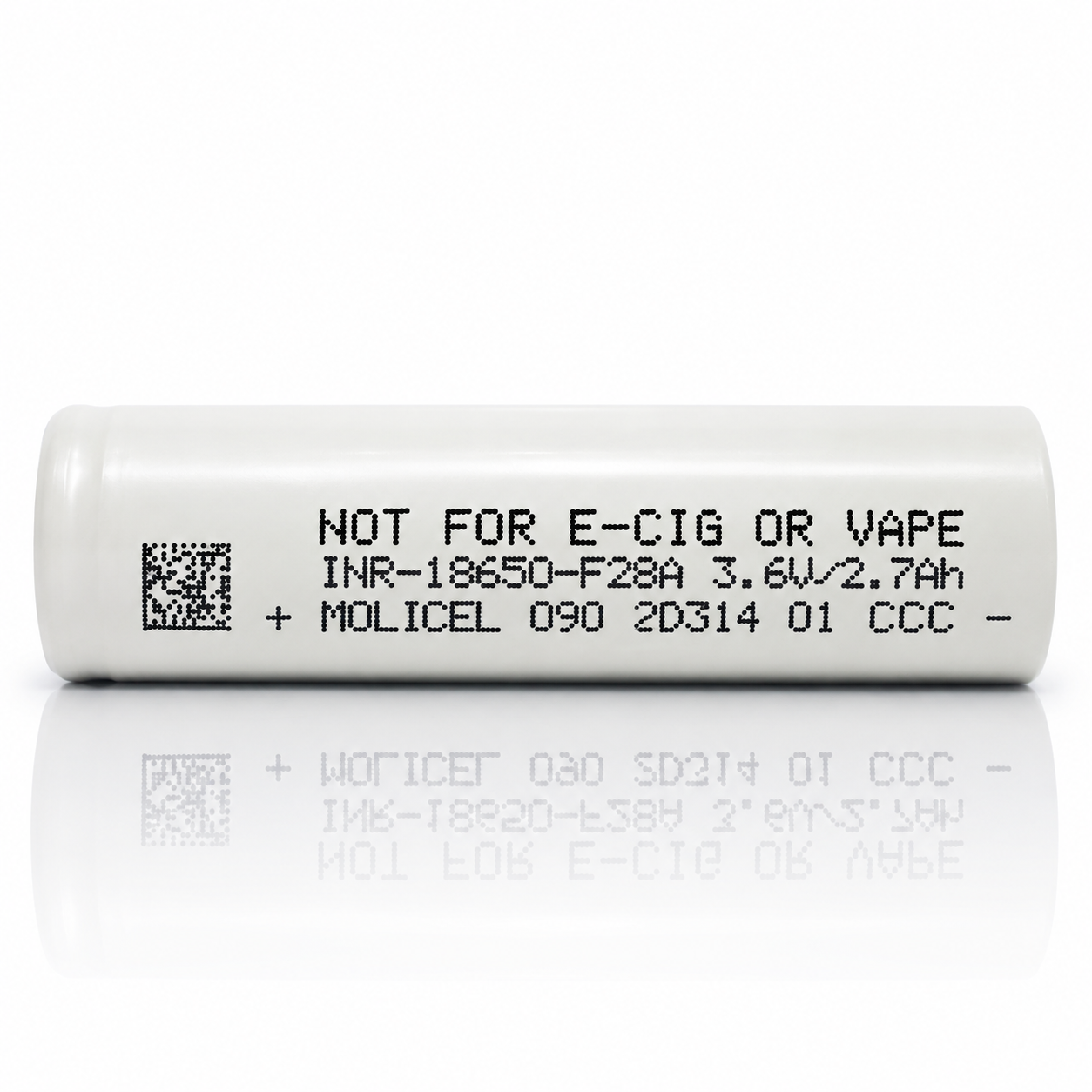
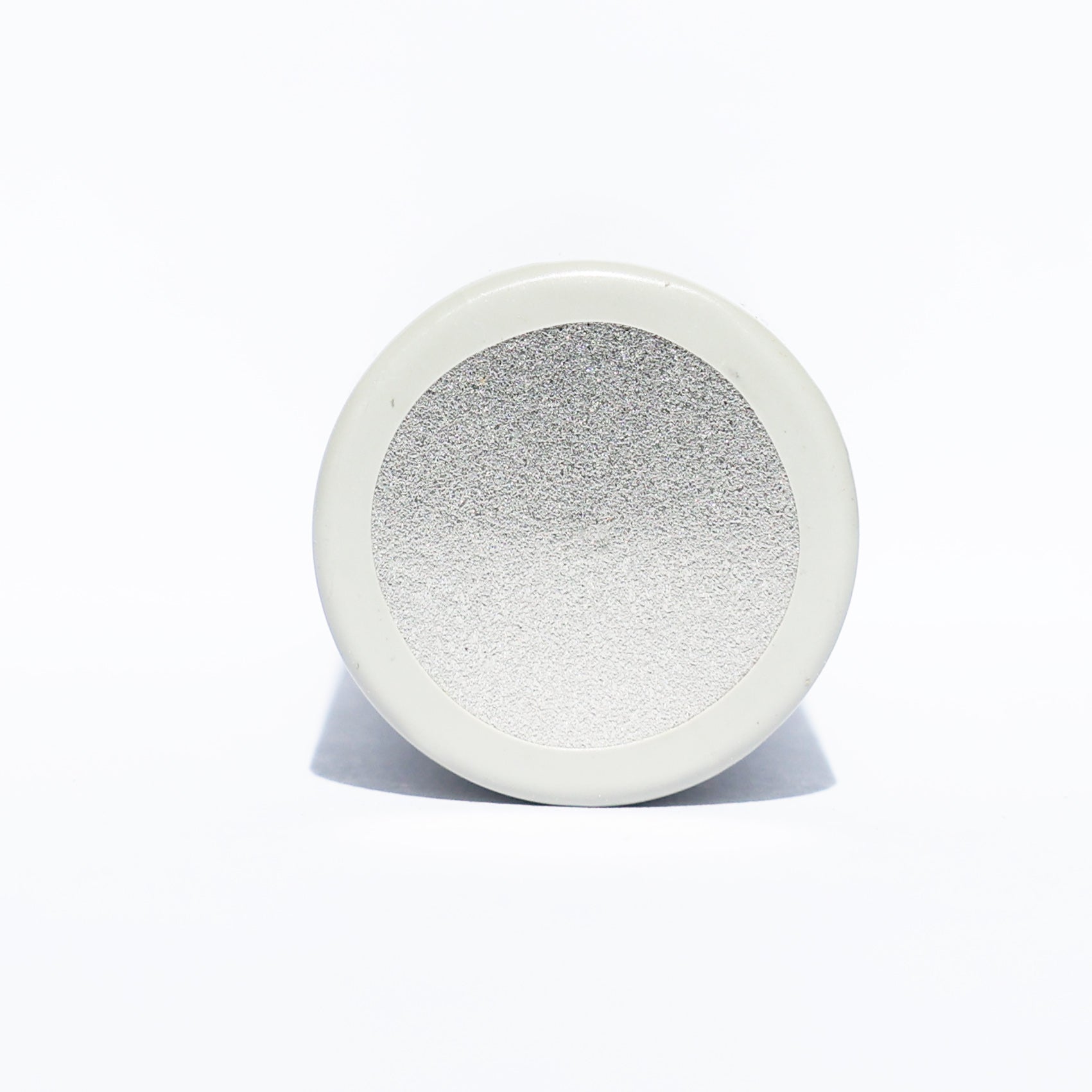


High-Drain 18650 Power Cell
Molicel P28A 18650
Molicel P28A 18650
2800mAh / 35A
A professional-grade flat-top lithium-ion power cell built for applications that require high current delivery, strong voltage stability, compact 18650 sizing, and dependable thermal behavior. The P28A balances 2.8Ah-class capacity with a high 35A discharge rating for demanding battery-pack and device designs.
Typical Capacity: 2800mAh Nominal Voltage: 3.6V Max Discharge: 35A Standard Charge: 2.8A Format: 18650 Flat Top
2800mAh typical capacity
35Amaximum discharge rating
6Amaximum charge current
3.6Vnominal voltage
20mΩAC IR maximum
46gtypical cell weight
Technical Overview
2.8Ah 18650 power cell optimized for high-current output.
The Molicel INR-18650-P28A is a cylindrical, rechargeable lithium-ion cell positioned in Molicel’s Power Cell category. It is intended for high-load platforms such as power tools, garden tools, home appliances, compact battery packs, high-output lighting, robotics, RC systems, and other engineered systems where discharge capability is a primary selection criterion.
For product-page and engineering language, describe this model as a 2800mAh typical-capacity / 35A maximum-discharge 18650 cell. Because it is an unprotected flat-top cell, final safety depends on the charger, device, pack architecture, current limiting, cell matching, and thermal design.
Professional positioning: Use the P28A when the application needs more current headroom than energy-focused 18650 cells, while still maintaining practical 2.8Ah runtime in a compact 18mm cylindrical format.
| Specification | Value |
|---|---|
| Cell Model | INR-18650-P28A |
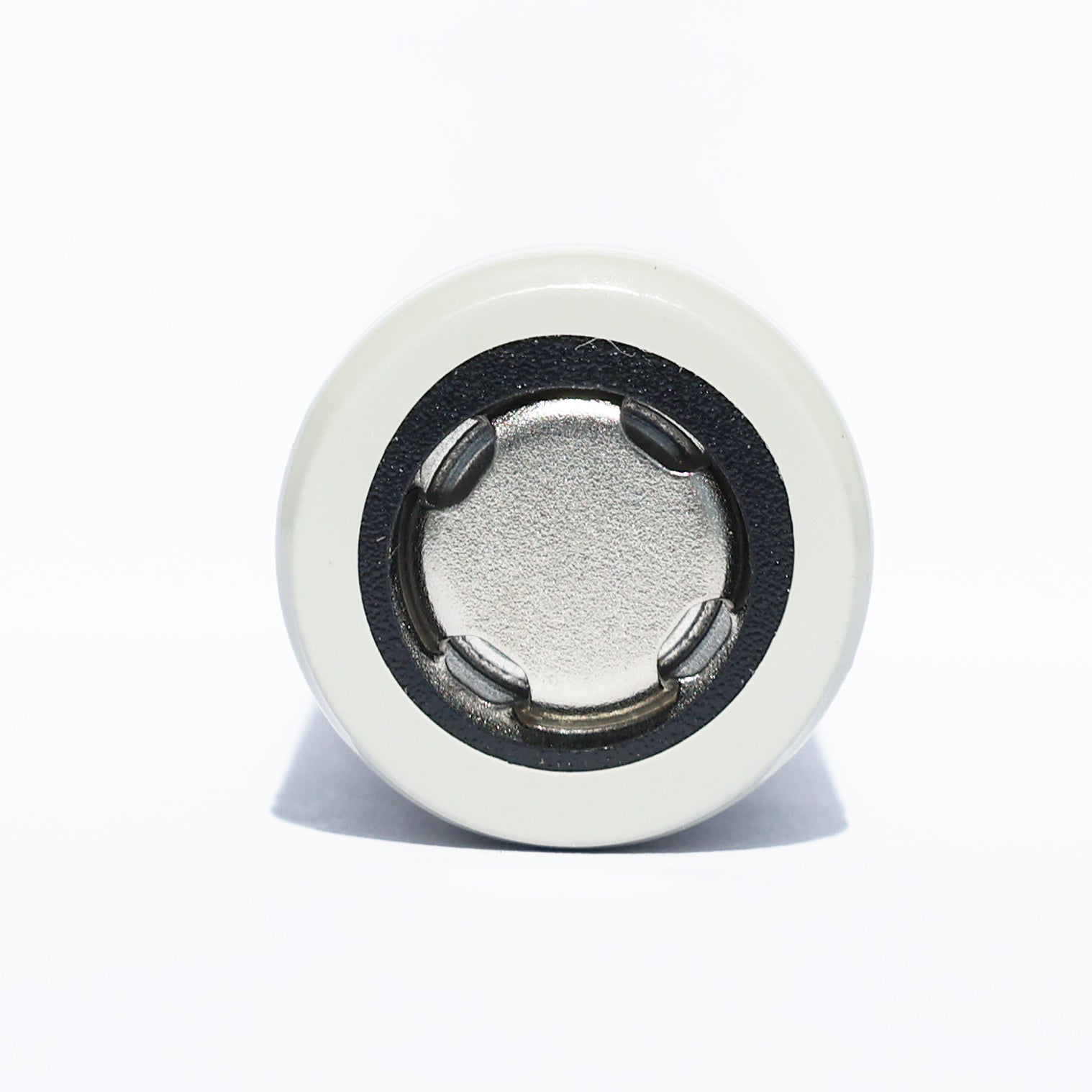
| Cell Type / Format | Rechargeable lithium-ion, cylindrical 18650, flat top, unprotected |
| Capacity | 2800mAh typical / 2600mAh minimum |
| Energy | 10.3Wh typical / 9.56Wh minimum |
| Voltage Window | 4.2V charge / 3.6V nominal / 2.5V discharge cut-off |
| Charge Current | 2.8A standard / 6.0A maximum; CC-CV charge to 4.2V with 50mA termination reference |
| Discharge Current | 35A maximum discharge rating |
| Charge Time | 1.5 hour standard charge reference |
| Internal Resistance | 20mΩ max AC at 1kHz / 20mΩ DC at 10A for 1s reference |
| Temperature Range | Charge: 0°C to 60°C / Discharge: −40°C to 60°C |
| Energy Density | 610Wh/L and 220Wh/kg from product data sheet; current product page lists 589Wh/L and 219Wh/kg |
| Dimensions / Weight | 18.6mm max diameter / 65.2mm max height / 46g typical |
| Protection | No integrated protection circuit. Use only with compatible electronics, protective holders, and/or pack-level BMS. |
Electrical operating envelope at a glance.
These diagrams translate the P28A’s published charge, discharge, voltage, capacity, impedance, and thermal limits into product-page visuals for technically oriented buyers.
1. Current Capability Stack
Charge and discharge currents shown on a shared 0–35A scale.
0A17.5A35A
2. Voltage Operating Window
Core control points for single-cell charging and discharge management.
3. Capacity and Energy Translation
Typical and minimum capacity values from the product data sheet.
4. C-Rate Conversion
A 2.8Ah cell converts current to approximate C-rate as shown below.
High-current output should be evaluated with voltage sag and heat rise in mind.
The published data-sheet discharge-rate family includes 0.56A, 2.8A, 10A, 20A, and 30A curves to a 2.5V cut-off at 23°C. The visualization below is a simplified product-page diagram of the discharge behavior; it is not a digitized test report or a warranty of runtime in a specific device.
5. Discharge Rate Curve Family
Higher current increases voltage drop and moves the knee earlier in the discharge profile.
6. Estimated IR Voltage Drop
Simple Ohm’s-law illustration using 20mΩ DC reference. Actual sag varies with SOC, temperature, pulse duration, and cell age.
Thermal conditions strongly affect charge acceptance, discharge performance, and aging.
7. Charge Profile Reference
CC-CV charge to 4.2V with 50mA cut-off reference; standard charge current is 2.8A.
8. Thermal Operating Envelope
Published ambient ranges for charging and discharging.
9. Temperature Characterization Families
Data-sheet discharge-temperature curves include cold-weather and elevated-temperature conditions at 2.8A.
Design note: Cold operation reduces apparent capacity and increases voltage sag. High-current packs should verify real load behavior at the lowest expected operating temperature.
10. Cycle-Life Visualization
Simplified visual based on published 10A and 20A cycle-characteristic families at 23°C.
18650 dimensional envelope for holders, sleds, weld fixtures, and pack CAD.
11. Cell Dimension Diagram
Use maximum dimensions for fitment planning, not nominal product-photo measurements.
12. Pack Scaling Formulas
Quick reference for series/parallel pack planning with P28A cells.
Vnom = S × 3.6VSeries count controls nominal pack voltage.
Vmax = S × 4.2VFull-charge voltage for charger/BMS selection.
Ah = P × 2.8AhParallel count controls capacity and runtime.
Imax = P × 35ATheoretical current before applying thermal, wiring, fuse, and BMS derating.
Engineering caution: Parallel-current math is a ceiling, not a design recommendation. Real pack output should be derated for temperature, voltage sag, cell age, welded interconnect resistance, BMS limits, and enclosure airflow.
13. Example Parallel Scaling
Single-cell current capability scaled by parallel group count before system derating.
14. Common Series Voltage Examples
Nominal and full-charge values for common pack topologies.
| Pack | Nominal / Full Charge |
|---|---|
| 1S | 3.6V nominal / 4.2V full |
| 3S | 10.8V nominal / 12.6V full |
| 4S | 14.4V nominal / 16.8V full |
| 6S | 21.6V nominal / 25.2V full |
| 10S | 36.0V nominal / 42.0V full |
| 13S | 46.8V nominal / 54.6V full |
Use the P28A inside a controlled electrical and thermal system.
The P28A is a bare, unprotected lithium-ion cell. Product compatibility cannot be assumed from size alone. A safe battery system must control charge voltage, discharge cut-off, short-circuit exposure, overcurrent behavior, temperature, and physical cell isolation.
Cell MatchingSame model, age, SOC, and condition
InterconnectLow-resistance nickel/copper path, spot welded
BMS / ProtectionOV, UV, OC, SC, balance, thermal sensing
Thermal PathSpacing, heat spreading, enclosure airflow
System LoadValidated duty cycle and current limits
15. Suggested Control Threshold Map
Use manufacturer and application requirements when selecting exact BMS thresholds.
16. Risk-Control Checklist
Minimum controls for professional integration.
CC-CV Li-ion charger 2.5V discharge cut-off Overcurrent trip Short-circuit protection Temperature sensing Cell insulation rings No loose carry Spot weld only Matched parallel groups Fire-resistant charging area
Best suited for compact high-load systems where current delivery matters.
TOOL
Power Tools
Strong current capability for high-torque bursts, compact packs, and rugged duty cycles.
RC
RC / Robotics
Useful where quick acceleration, high peak loads, and compact pack geometry are important.
LED
High-Output Lighting
High-drain headroom for regulated lights that demand stable voltage under load.
PACK
Custom Packs
Suited to engineered packs with BMS, matched cells, correct interconnects, and thermal validation.
17. Selection Bias: Power vs. Runtime
Relative positioning inside the 18650 category.
18. Application Suitability Matrix
Qualitative fit based on current requirement, thermal design, and pack-level protection.
Professional technical product description
The Molicel P28A 18650 2800mAh 35A Battery is a high-drain rechargeable lithium-ion cell engineered for applications that require substantial current output in a compact 18650 format. With a typical capacity of 2800mAh, 3.6V nominal voltage, and 35A maximum discharge rating, the INR-18650-P28A is well suited for power tools, high-output flashlights, robotics, RC applications, and custom battery packs that use appropriate protection electronics.
The P28A uses a 4.2V charge voltage and 2.5V discharge cut-off, with a standard 2.8A charge current and 6A maximum charge current. The cell is supplied as an unprotected flat-top cell, meaning it does not include an integrated protection circuit. It should only be used by customers who understand lithium-ion handling requirements and can ensure proper charging, storage, short-circuit prevention, and device-level protection.
Safety, Handling & Compatibility Notice
Lithium-ion cells can be dangerous if misused, mishandled, overcharged, over-discharged, short-circuited, stored loose, physically damaged, exposed to liquids, exposed to excessive heat, or used outside manufacturer specifications.
- Use only with a charger designed for rechargeable lithium-ion cells and the correct 4.2V termination voltage.
- Do not store or transport loose cells in pockets, bags, toolboxes, or drawers where they may contact metal objects.
- Do not use a cell with a torn wrapper, missing top insulator, dented can, corrosion, leakage, abnormal heat, odor, or physical damage.
- Do not solder directly to the cell. Use appropriate spot-welding methods for pack assembly.
- Do not mix old and new cells, different models, different states of charge, or cells with unknown history in series or parallel packs.
- Use only in devices or packs with suitable overcharge, over-discharge, overcurrent, short-circuit, and thermal protection.
Common technical questions about the Molicel P28A.
What is the capacity of the Molicel P28A?
The P28A is specified at 2800mAh typical capacity and 2600mAh minimum capacity, with typical energy of approximately 10.3Wh.
What is the discharge rating?
The cell is listed with a 35A maximum discharge rating. High-current use requires proper device design, short-circuit protection, and thermal management.
Is this a protected battery?
No. The P28A is an unprotected flat-top 18650 cell. It does not include an integrated protection PCB, so protection must come from the device, charger, or battery pack electronics.
What charger should be used?
Use a quality lithium-ion charger designed for 3.6V/3.7V nominal cells with 4.2V termination. The standard charge current is 2.8A and the maximum charge current is 6.0A.
What is the correct discharge cut-off voltage?
The product data sheet lists 2.5V as the discharge cut-off voltage. Battery packs and devices should prevent over-discharge below safe limits.
Can the P28A be used in battery packs?
Yes, when designed by qualified users with matched cells, proper interconnects, insulation, cell spacing, fusing or current limiting, balancing, and a BMS suited to the pack voltage and current.
Can I solder wires directly to this cell?
No. Direct soldering can overheat and damage the cell. Use proper spot-welding methods for pack tabs and follow professional battery-pack assembly practices.
What are the cell dimensions?
The maximum dimensional envelope is 18.6mm diameter by 65.2mm height. Always confirm device compatibility because holders vary in spring force, tolerance, and terminal geometry.
What temperature range is allowed?
The published ambient range is 0°C to 60°C for charging and −40°C to 60°C for discharging. Performance can drop significantly in cold conditions.
Is the P28A better for power or runtime?
It is primarily a high-power cell. It offers useful 2800mAh capacity, but its main advantage over energy-focused 18650 cells is current delivery and voltage stability under higher loads.
What does 20mΩ internal resistance mean?
Internal resistance contributes to voltage sag and heat under load. At higher currents, even small resistance values can create meaningful voltage drop and thermal load.
Can I carry this battery loose?
No. Loose lithium-ion cells must be stored and transported in a protective case so the terminals cannot contact keys, coins, tools, or other metal objects.
Customer Reviews
Overall rating: 4.9 / 5 from 1407 reviews.
The order arrived on time and was well packaged for safe travels. batteries look in great condition. no issues. very happy with my order
Exactly what I needed for my radio transmitter. These were highly recommended and I was very pleased with my purchase.

Great price for some really great batteries! Labeling says no vapes which is a liability thing, but these outperform the poor quality cells you buy on amazon , by a long shot! At a fraction of the price! Also great for restoring power tool batteries, but please only attempt if you are experienced. Also great for drones and other DIY electronics.
batteries came quickly and as advertised
Quick shipping and great products!
Everything is working! Great product!!
I am very disappointed with this purchase. The batteries do not perform as advertised; although the display registers them as 100% charged, they hold an extremely low capacity. Upon testing, one battery measured only 37 mAh and the other only 7 mAh, making them effectively useless for my needs. I had to manually drain them and use a trickle charge to eventually get them to a usable capacity.
Thank you team! Fast delivery, works as expected. 5 stars!!!
I was told by google Ai that these were the ideal batteries for my vape. I ordered them and then they said “not for vaping” right on the side! I use them anyway, as they match closely the batteries that came with it. They work ok but it’s not very comforting to read that.
Exactly as expected.
I got these because I've heard a lot of good things about their High Drain high power loads for E-Vapes for my Geek Vape Aegis X and they are awesome! I went two (2) solid days and only used 1/3 charge. I got the external charger for it's charging indicator lights and it works stellar as well. Fast delivery would definitely recommend this seller. Five (5) ⭐⭐⭐⭐⭐
Everything was great.Order was accurate and shipping was fast..!
Works great!
Great battery for vaping at a great price
Excellent cells.
Very fast shipping and exactly as described.
Perfect batteries for my Radiomaster controller. Good price and quick shipping.
The 18650 battery store is my go-to for vape batteries! You can't beat the quality or the price... and they always have the batteries in stock!!
Great prices and fast shipping
worked for now, need more time to see how long charge lasts
8/10. -1 point for: I got a normal white box for the batts, while my friend got a dope one -1 point for: Slow ahh delivery. It took 5+days for 2 batts thats insane Otherwise good. They came in a small plastic box, could be a fireproof one but that's okay.
Great
Solid quality, solid value.
I love these batteries as they have been super reliable for me. 18650batteries.com is a painless, and quick, shopping experience. Deliveries arrive quickly after processed.
Awesome batteries!
Quick and easy thank you
Great battery thanks!!

It's great to know where I can purchase replacement batteries, reasonably priced and will ship to Guam.
I'm very satisfied because finding these batteries for electronic vape devices has become very difficult
like the battery longevity
Excellent battery
Holds charge amazing, charges faster too. Excellent product
Working batteries, what more is there to say.
Arrived quickly. Came with their own case which not all do. Batteries last long. Very pleased.
I religiously charge, use my batteries… and always keep them married. 4 weeks in and these are already down to about 7-8 hours before they’re completely dead. I’ve never seen a set of batteries lose their ability to keep a charge this fast in 12 years.
just got these but overall shopping experience was good and quick!! so far no complaints with product
Very happy with the quality of the batteries, much better than any amazon knock-off and still shipped in maybe 3 days. Will be purchasing again!
I got both batteries and put them in my vibrator immediately, brrrrrrr...more power then expected. My A-hole is on fire
Customer service wanted me to pay the shipping to send the botched order back. You sent wrong batteries and still wanted me to pay the freight and the shipping for the correct batteries. This is arrogant and horrible customer service. I intend to give you a 0 out of 5 review online and advise people to find 18650 batteries elsewhere.