
For fpv drone this is good.
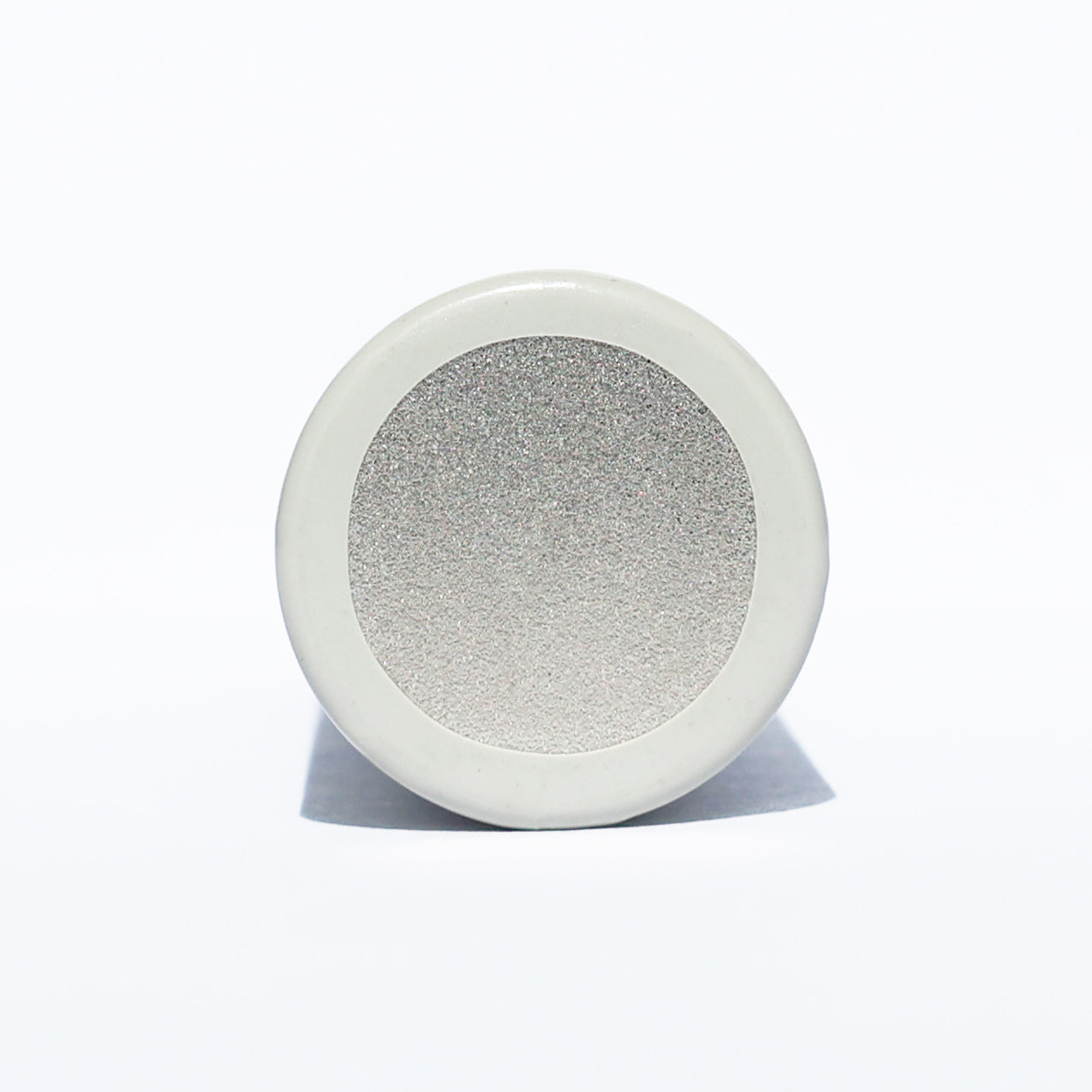


Ultra-High Power 18650 Cell
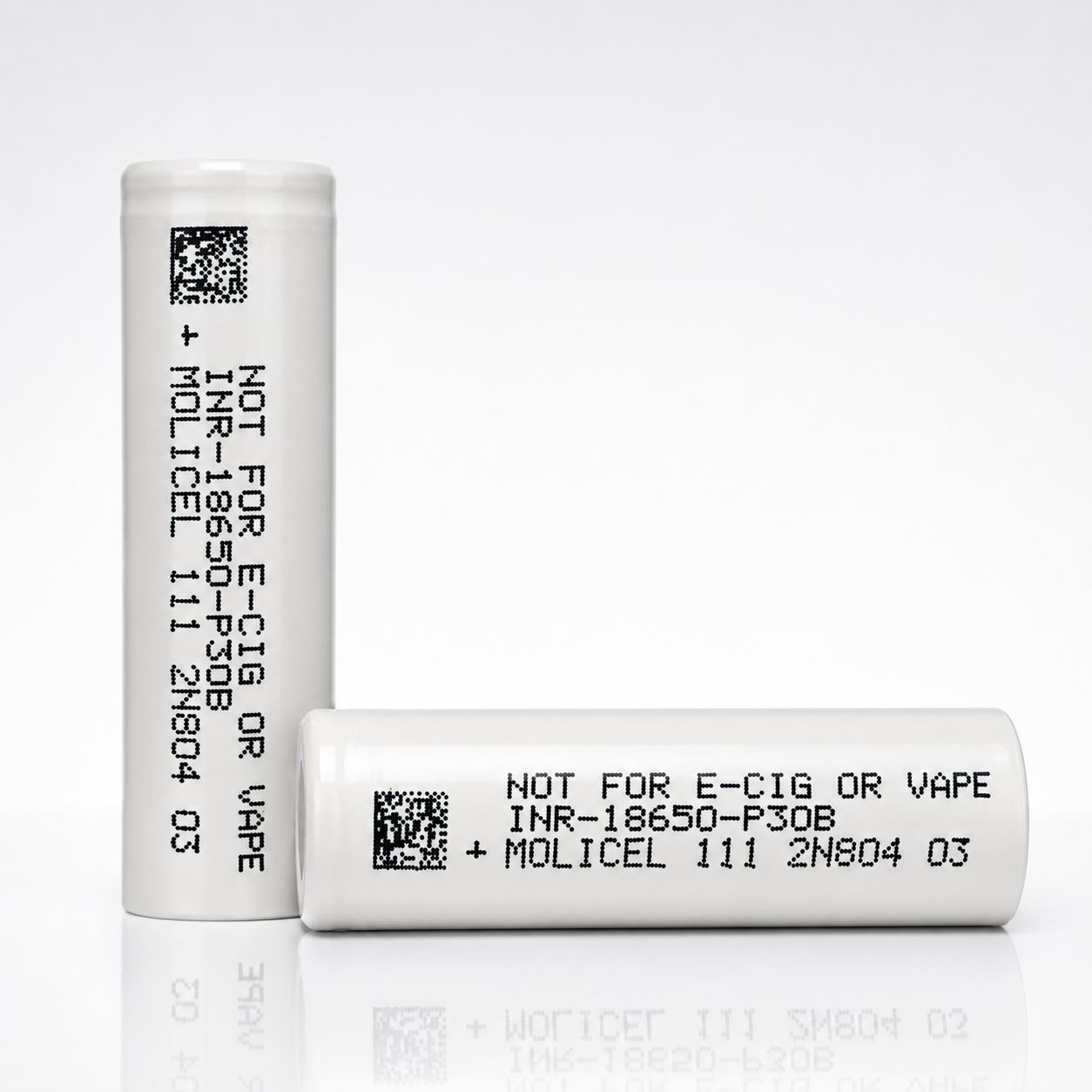
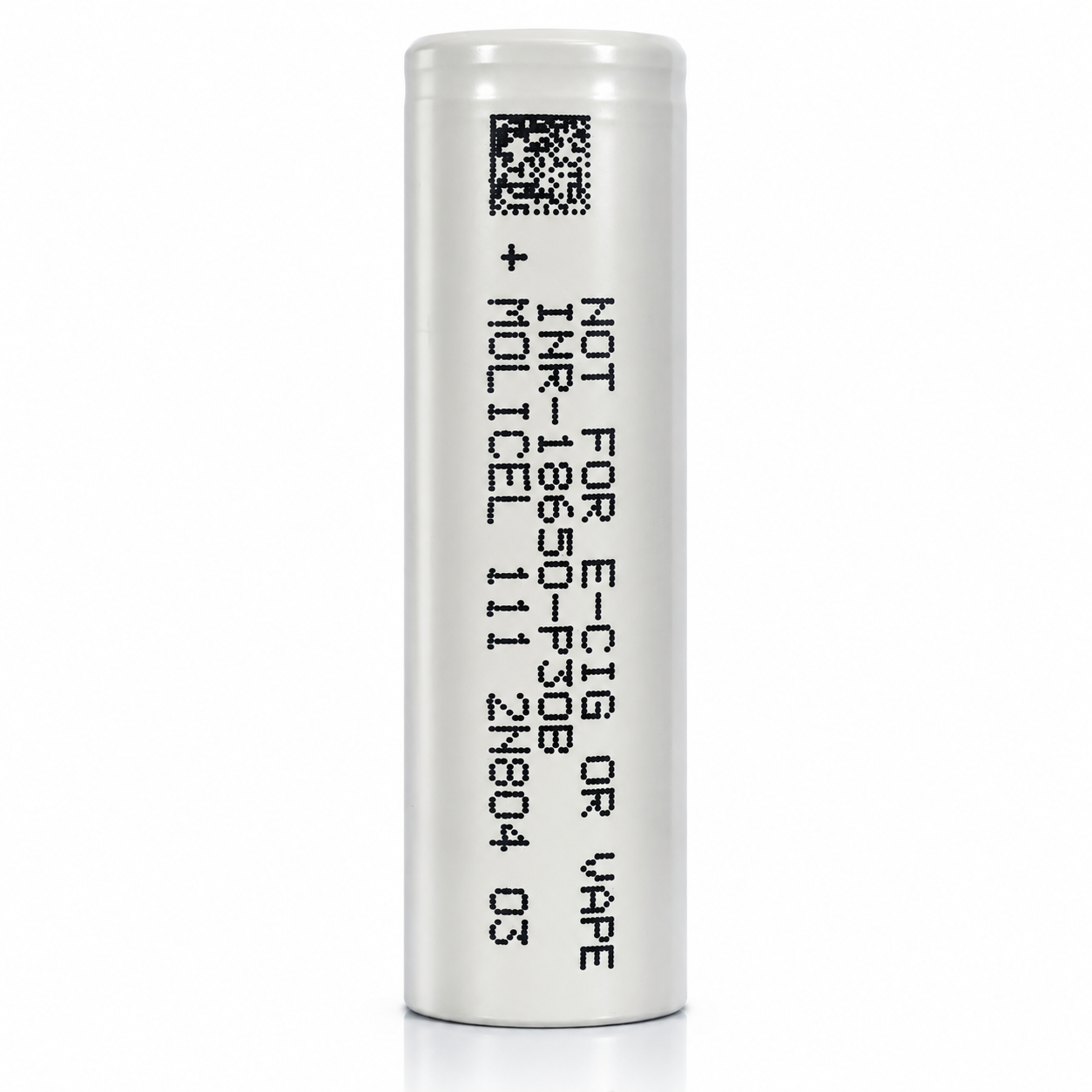
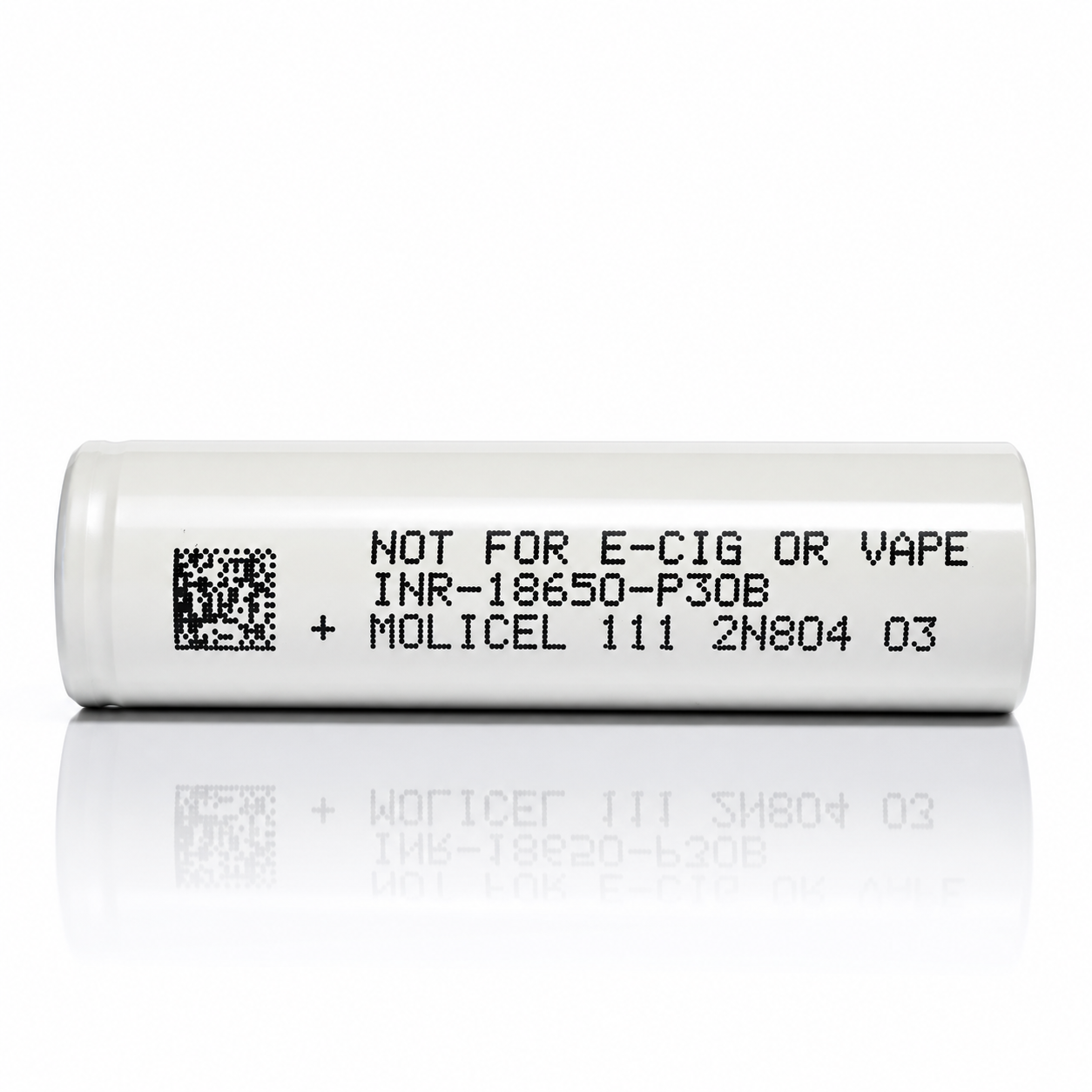
Molicel P30B 18650
Molicel P30B 18650
3000mAh / 30A CDR
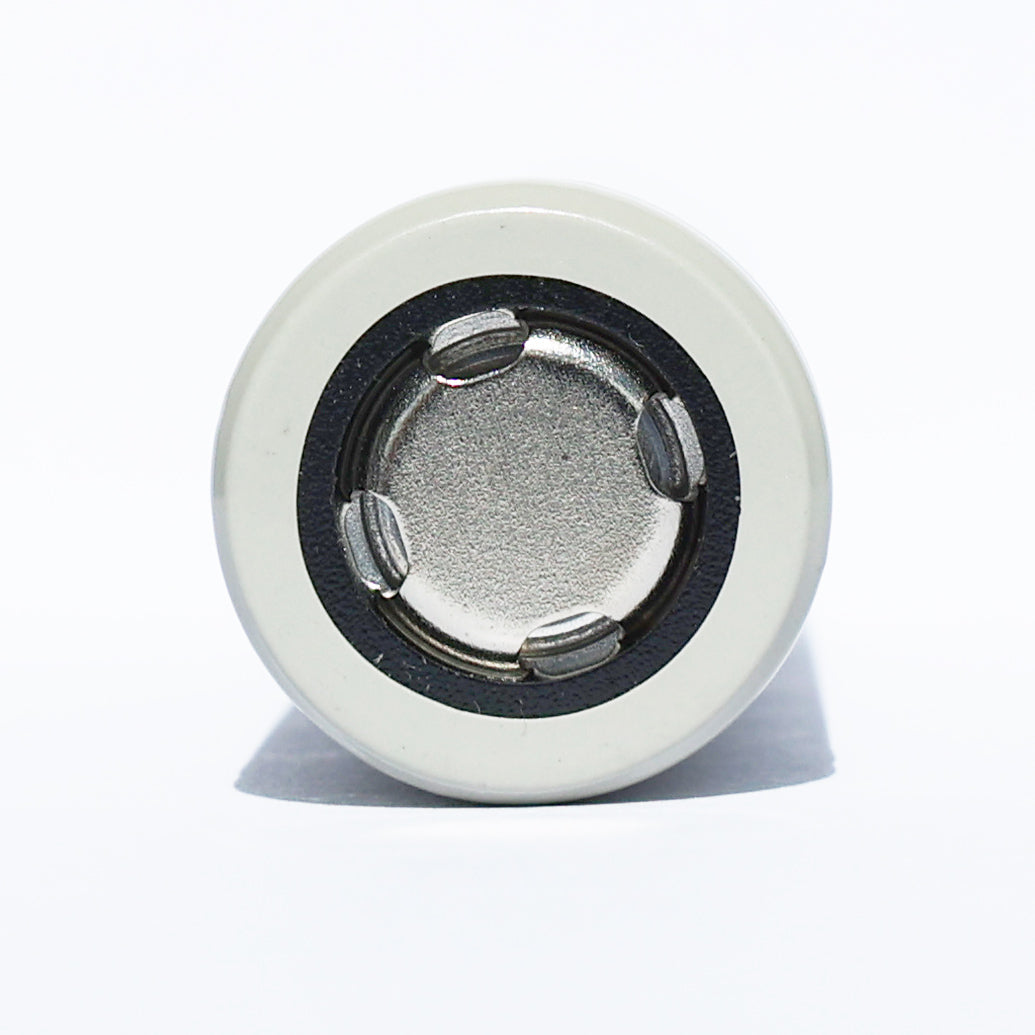
A premium flat-top lithium-ion power cell engineered for demanding high-current systems that require a tight balance of energy density, low impedance, thermal stability, and sustained discharge capability.
3.6V Nominal 10.8Wh Typical 9A Max Charge 100W High-Power Discharge Unprotected Flat Top
3000mAh typical capacity
30Acontinuous discharge
36Amax discharge rating
100Whigh-power discharge
9Amaximum charge current
17mΩtypical DC impedance
Technical Overview
High power output with 3.0Ah-class runtime
The Molicel P30B is designed for high-drain applications where voltage stability, current delivery, and thermal control matter as much as capacity. With a typical 3000mAh capacity, 3.6V nominal voltage, and low internal impedance, it is positioned for performance-oriented battery packs, power tools, high-output flashlights, micro-mobility, RC platforms, drones, and other professional high-load systems.
For engineering and pack design, treat 30A as the continuous discharge rating with the published 80°C temperature cut-off, and reserve the 36A maximum discharge rating for system designs that can meet Molicel’s thermal and safety limits.
Professional positioning: Use “30A continuous / 36A max” rather than “36A continuous”
| Specification | Value |
|---|---|
| Cell Model | INR-18650-P30B |
| Chemistry / Format | Rechargeable lithium-ion, cylindrical 18650 |
| Capacity | 3000mAh typical / 2900mAh minimum |
| Energy | 10.8Wh typical / 10.4Wh minimum |
| Voltage Window | 4.2V charge / 3.6V nominal / 2.5V discharge cut-off |
| Charge Current | 3A standard / 9A maximum with 60°C cut-off |
| Discharge Current | 30A continuous with 80°C cut-off / 36A max rating |
| Temperature Range | Charge: 0°C to 60°C / Discharge: −40°C to 60°C |
| Energy Density | 631Wh/L volumetric / 234Wh/kg gravimetric |
| Impedance | 8mΩ AC at 30% SOC / 17mΩ DC at 50% SOC |
| Dimensions / Weight | 18.6mm max diameter / 65.2mm max height / 47g max |
| Protection | Unprotected flat-top cell; external protection/BMS required where applicable |
Performance envelope at a glance
Use these diagrams as product-page visuals. They translate core electrical, mechanical, and thermal specifications into customer-friendly technical graphics.
1. Current Capability Stack
Charge and discharge current thresholds shown on a shared 0–36A scale.
2. Voltage Operating Window
Cell voltage reference points for charging, nominal operation, and discharge cut-off.
3. C-Rate Translation
At 3.0Ah nominal capacity, 1C equals approximately 3A.
4. Cycle Retention Reference
Product-page visual based on Molicel’s 500-cycle / 75% retention statement under 100W discharge.
Built for dense pack layouts and high-load systems
5. Cell Geometry Diagram
Maximum published mechanical envelope for holder, nickel strip, and enclosure planning.
6. Thermal Operating Envelope
Temperature bands for charge, discharge, and high-current thermal cut-off planning.
Scalable electrical formulas for pack builders
Use the formulas below to communicate how a single-cell specification scales in series/parallel layouts. Final pack ratings depend on cell matching, enclosure design, cooling, interconnect resistance, BMS limits, fusing, and application duty cycle.
Vnom = 3.6 × SNominal pack voltage
Ah = 3.0 × PNominal pack capacity
Wh = 10.8 × S × PTypical stored energy
Icont ≤ 30 × PCell-level current ceiling before pack derating
Matched P30B CellsSame model, age, SOC
Nickel / BusbarsLow-resistance interconnects
BMS / ProtectionOVP, UVP, OCP, thermal
Thermal PathSpacing, airflow, heat spread
Validated PackApplication-specific derating
Where the P30B makes the most technical sense
PT
Power Tools
High-current bursts, torque-demand loads, and sustained discharge events.
EV
Micro-Mobility
E-skateboards, e-surfboards, sports/off-road e-bikes, and compact propulsion packs.
RC
Drones + RC
High power-to-weight applications requiring low impedance and stable voltage delivery.
LED
High-Output Lighting
Performance flashlights and lighting systems designed for unprotected flat-top cells.
Critical Safety Notice
This is an unprotected lithium-ion cell. Use only in devices or battery packs with appropriate electrical, mechanical, and thermal protection.
- Do not use in e-cigarette, vape, or similar devices.
- Do not carry loose cells in pockets, bags, or toolboxes.
- Do not short circuit, crush, puncture, incinerate, overcharge, or over-discharge.
- Do not solder directly to the cell; use proper spot-welding methods for pack assembly.
- Use only compatible smart chargers and observe all manufacturer limits.
Summary
Molicel P30B 18650 3000mAh 30A Battery is a high-drain, flat-top lithium-ion cell engineered for demanding electrical loads where power density and dependable voltage delivery are critical. With 3000mAh typical capacity, 10.8Wh typical energy, 30A continuous discharge capability, low impedance, and fast-charge support up to 9A, the P30B is a strong fit for professional battery packs, performance tools, high-output lighting, RC systems, drones, and micro-mobility applications.
For pack builders, the P30B provides a compact 18650 platform with a published 4.2V charge limit, 3.6V nominal voltage, 2.5V discharge cut-off, and robust thermal performance requirements. Pair this unprotected cell with proper BMS protection, thermal management, insulation, and application-specific validation.
Common questions about the Molicel P30B 18650
These answers are written for engineers, pack builders, and performance-device users evaluating the P30B for high-current lithium-ion applications.
Is the Molicel P30B a protected battery?
No. The P30B is an unprotected flat-top 18650 cell. Use it only in devices or packs that provide proper over-charge, over-discharge, over-current, short-circuit, and thermal protection.
What is the correct discharge rating to advertise?
Use 30A continuous / 36A max. The 30A value is the practical continuous discharge reference with temperature cut-off guidance, while 36A should be treated as a maximum rating that requires validated thermal control.
Can the P30B be charged at 9A?
The cell supports up to 9A maximum charge current under manufacturer limits, but 3A is the standard charge reference. Use high-rate charging only with a charger, BMS, and thermal design that can keep the cell within its specified limits.
What charger should be used?
Use a quality lithium-ion charger with a 4.2V CC/CV charge profile. Do not use chargers intended for NiMH, NiCd, lead-acid, LiFePO4, or other incompatible chemistries.
Is this cell flat top or button top?
The P30B sold for high-drain applications is typically an unprotected flat-top cell. Confirm physical compatibility with your device before purchase, especially if the device requires button-top cells.
What is the discharge cut-off voltage?
The published discharge cut-off is 2.5V per cell. Pack-level systems should use a BMS or device controller to prevent over-discharge and avoid cell damage.
Can these cells be soldered directly?
No. Do not solder directly to lithium-ion cells. Direct soldering can overheat the cell and damage internal safety structures. Use proper spot-welding methods and suitable nickel or busbar materials for pack assembly.
Can new and used P30B cells be mixed in one pack?
Do not mix new and used cells, different brands, different capacities, or cells with different cycle histories. Pack builds should use matched cells with similar voltage, age, impedance, and state of charge.
What applications are a good fit for the P30B?
The P30B is well suited to high-current 18650 systems such as professional battery packs, power tools, high-output flashlights, drones, RC platforms, and micro-mobility packs where the device is designed for unprotected flat-top cells.
How should unused cells be stored?
Store cells in a cool, dry location, isolated from metal objects, and inside a protective case or original packaging. For longer storage, avoid leaving cells fully charged or fully discharged, and periodically verify cell voltage.
Customer Reviews
Overall rating: 4.9 / 5 from 419 reviews.
Great product as always.
Love these batteries. This is a replacement set for some that I ordered a few years ago. They work well and last a long time. I’ll continue to purchase them as long as they exist.
It's a great battery that keeps my device running nice..it's perfect..Thank you & sorry I don't have a pic to share..
My vacuum cleaner and my portable air compressor never performed so well... Doubled their power and endurance
Long lasting. Will definitely buy again.
Fantastic consistency above spec performance.
The Molicel P30B is an exceptional 3000mAh 18650 cell that for me delivered much needed balance of power and of course endurance for my deployment of several Meshcore Repeaters in my local area. Thank you for a great product.
🔧

Still a top teir contender for 18650 cells!
Just what I needed, super fast shipping!

Will be shopping here for all battery needs. A1-5 star shopping experience!!
Exactly what we needed and deliver was great.
These are great batteries. They handle heavy loads and last. You can’t go wrong purchasing them , especially from the 18650 Battery Store. They have the best price, great selection, very fast shipping that’s reasonable.
Fast shipping legit batteries enough said been ordering from the them for years.
Lasts much longer than the Samsung batteries previously purchased.
So far, so good. These are lasting lierally twice as long as my trusty, but well worn, P28a's. Using in a fairly low drain application for these cells, between 10-15 amps max.
Came well packaged and promptly. Works great in my Hexapod!
Great stuff

Nice
Me encanta la carga dura bastante ❤️

2 of the 4 Molicel batteries arrived with slight wrapper damage. I believe it's the battery case included with the batteries that's causing the damage. The batteries fit loose in the case, and the cases have little wedges inside, and if the shipping box is dropped during shipment, it can leave wedge marks on the battery wrappers.
Great battery's 🔋 as always art great prices I've ordered multiple time they Never Disappoint.. ☆☆☆☆☆'s
Excelente Servicio

Great batteries! They're exactly what l needed for my new Tiny Might 2 and they came right away. I'll definitely order from here again when l need more.
Works great!
Work Excellent in my VooPoo Drag 5 with Smok T-Air Tank. Absolutely Will Be Purchasing More in the Future
These batteries have been little powerhouses! It's hard to believe we paid less the than $6.00 each for them. We will definitely be return customers.

I built a DIY 9Ah Milwaukee battery. I usually had to use about 5 batteries to trim my entire house. After using this new battery with these upgraded cells, I was able to do the whole property and only used a single bar on the battery gauge! Unbelievable. Great job. I guess I'll never buy another OEM battery again.
Very Fast shipping great packaging as well!
Great service great prices and fast shipping 👍👍
I did the research and tested the alternative and the Molicel P30B is superior to the the standard 18650. Not only is it's Amperage sitting at an comfortable 30A; It also has a discharge capacity that is extremely even and fluant through out the entire discharge cycle. Couple that with the the 3000 mah battery and it is easily one of the longest lasting and capable batteries you can buy on 18650 class
Works great! Much better than the P28A batteries i was using previously. The P30B batteries are superior in my TinyMight2!
Very Good
Good
Great batteries! Last all day long for this heavy vape user. Thanks!
Works well for my application and shipped quickly.
Batteries are good, take full charge.
They tested a bit over capacity and they're the right size and shape. They turn my flashy into a hand-warmer in no time! Emisar DA1
I use 3 of these to fix an old black+decker dustbuster flex LITHIUM handheld vacuum cleaner. They worked out well.